
Search Cleveland Felony Records
Cleveland felony records usually begin with a police report or a city court entry, then move into Bradley County court files. If you need an offense report, an arrest report, a citation, or the full criminal case, the right office depends on what the record actually is. Cleveland keeps a clear city records system, but the felony file itself sits at the county level. That split matters because city records can show the first event while county records show the charge, the hearings, and the judgment. A strong Cleveland search starts with the city record and ends with the county case file.
Cleveland Quick Facts
Cleveland Felony Records and City Offices
The Cleveland Police Department Records Unit is based at the Cleveland Police Service Center and runs Monday through Friday from 8:00 a.m. to 5:00 p.m. The unit handles offense reports, crash reports, arrest reports, and field interviews. Records can be requested in person, by phone, or by mail, and the research says useful details include a case number, incident location, date, and the names of the parties involved. That makes the city office the first stop when a Cleveland search begins with a police call or an arrest report. If a record is still under review, active cases are not released.
The city also has a detailed open records process. Open Records Request Forms can be submitted to the City Clerk's Office or the police department by email or in person. A no-charge inspection is allowed, but copies cost 15 cents per black and white page and 50 cents per color page, and staff time beyond one hour can be billed at an hourly rate. That is useful when you only need to review a file rather than buy it. For Cleveland felony records, the city side usually gives you the first paper trail, while the county side gives you the court result.
The Cleveland police records page at clevelandtn.gov is the main city source for reports, and the open records page at clevelandtn.gov explains the request process.
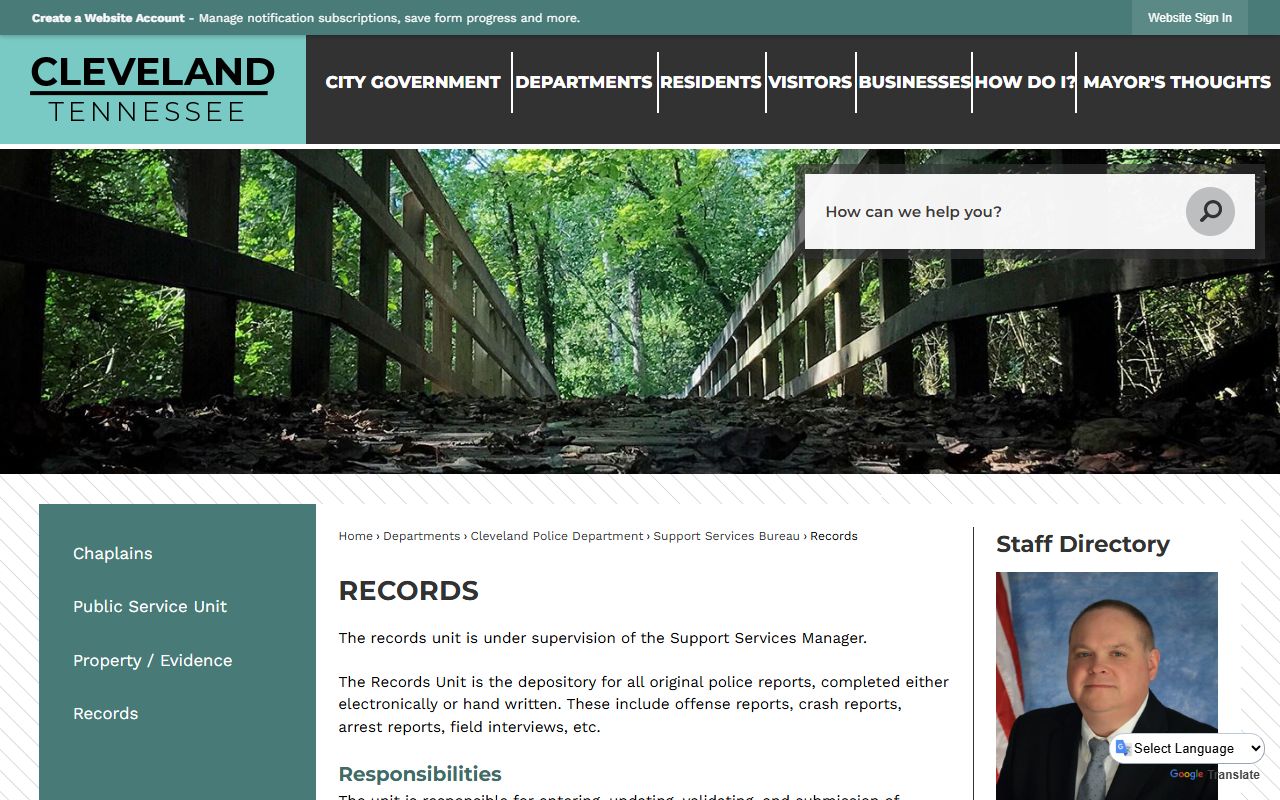
That unit is where the city keeps the reports that often lead into a felony search.
Cleveland Felony Records Search
Bradley County is the county-level home for Cleveland felony records. The county offices in Cleveland include the Circuit Court Clerk at 155 North Ocoee Street, the Sheriff's Office at 2290 Blythe Avenue SE, and the General Sessions Court at 2230 Blythe Avenue S. Those offices matter because a Cleveland case can move from a city incident report into a county criminal file without changing the underlying facts. The county court records are where felony charges, hearings, and judgments are usually recorded. If the city report gives you the date or officer name, the county file gives you the case path.
The Cleveland City Court is located at the Police Service Center at 100 Church Street NE, and it handles traffic offenses, misdemeanors, city ordinance violations, limited civil claims, and landlord-tenant actions. That gives Cleveland a local court layer, but it is not the felony court file itself. When the matter rises above a city issue, Bradley County court records become the key source. The Bradley County court system is the place to check when you need the actual criminal docket rather than the city citation. That county search can be the difference between a report and a full case history.
The Bradley County Circuit Court Clerk contact in the research is (423) 728-7214, which is the number to use when the city record points you toward the county file.
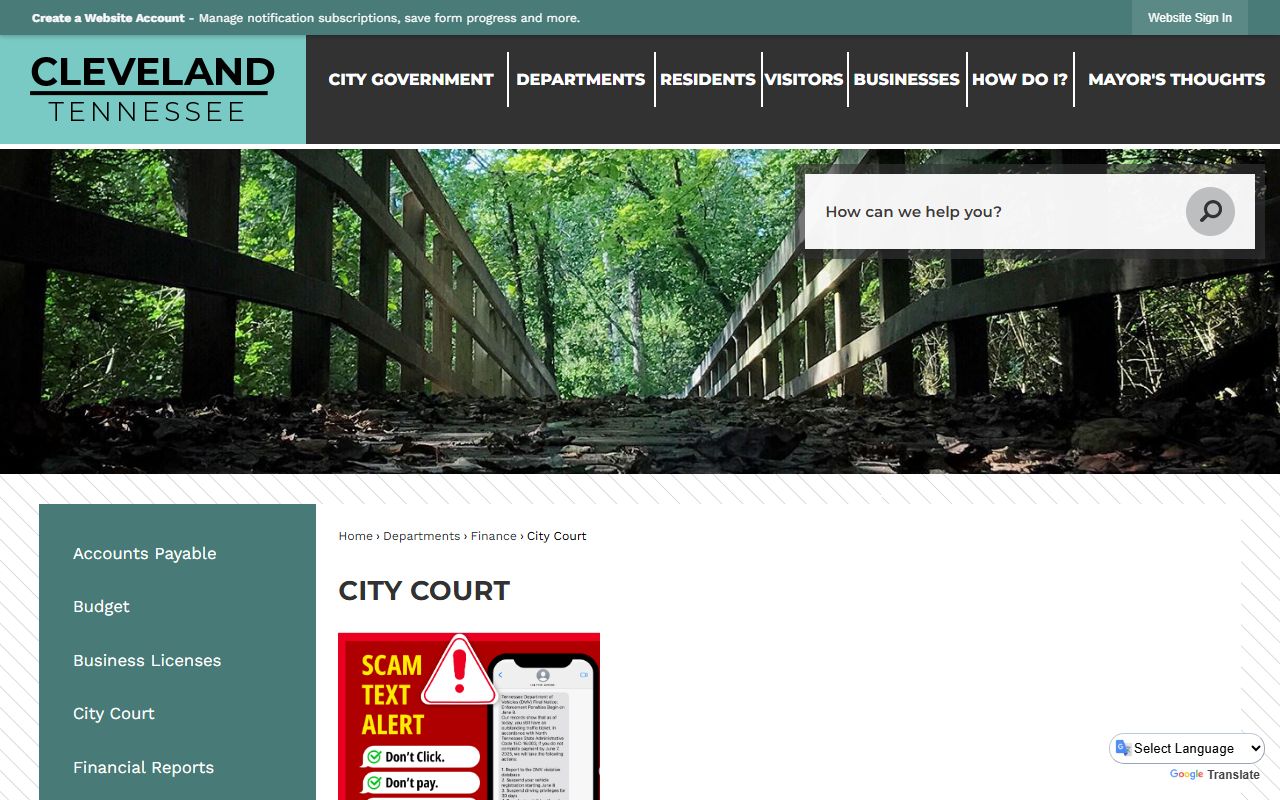
That page shows the local court side, which is useful before the case moves into Bradley County court.
Cleveland Felony Records Requests
Cleveland gives you several ways to ask for records, and that flexibility helps when you know what you need. The police records unit accepts in-person, phone, and mail requests, while the city open records process can go through the City Clerk or the police department. Helpful request details include the case number, incident location, date, and the names of the people involved. More than four reports requires a special request, and some records require approval from the District Attorney or the Chief before they can be released. That makes Cleveland a little more formal than a simple search form, but the process is still clear.
The Tennessee Public Records Act sets the base rule under T.C.A. § 10-7-503. In Cleveland that means records can be inspected, but active investigations, some photographs, and some recordings may be withheld. The city also notes that an appointment is required for inspection so the clerk schedule is not disrupted. That is a practical reminder that a records request and a records inspection are not the same task. If you only need to look at the file, ask for inspection. If you need a copy, ask for the copy and provide the details that identify the file.
Note: Cleveland records requests move faster when you give the city office one incident, one date range, and one record type at a time.
The Cleveland open records page at clevelandtn.gov is the city-side page to use when you need the request form or the inspection rules.
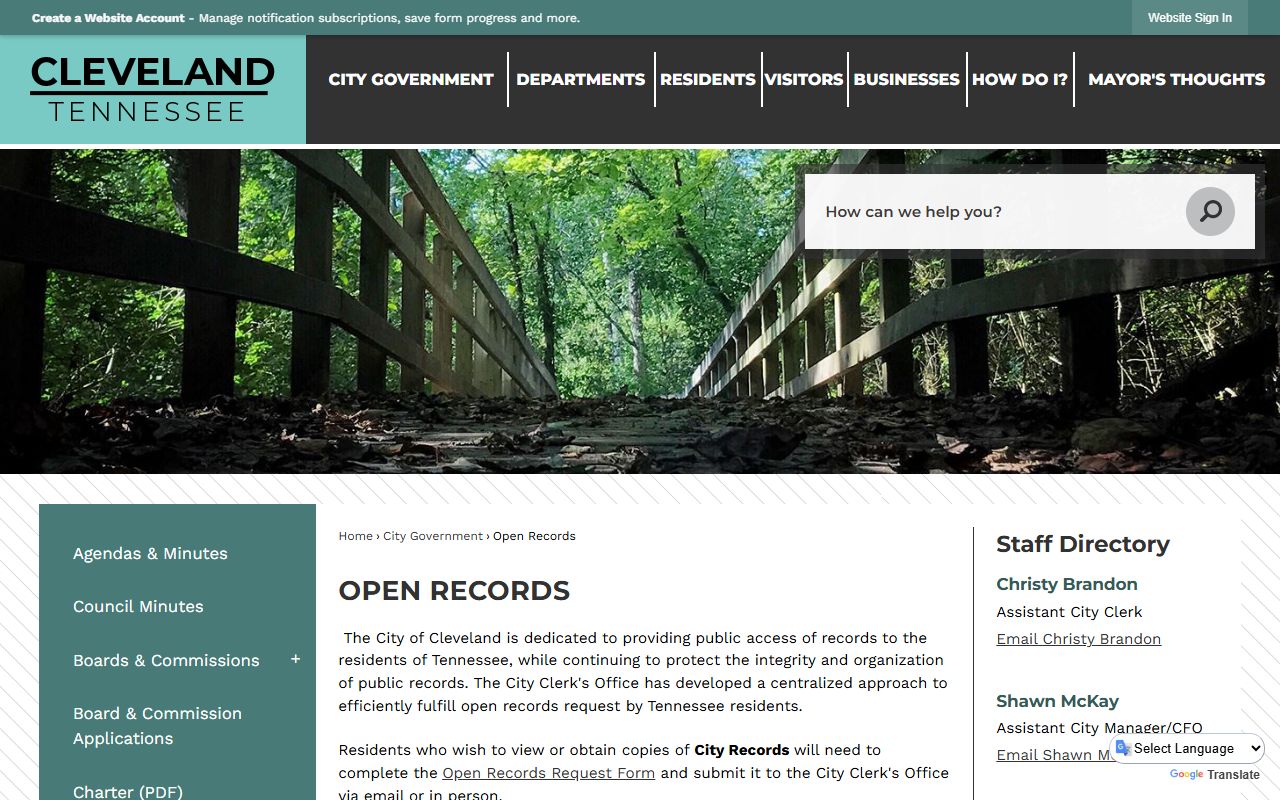
That page captures the request process that starts the city-side records search.
What Cleveland Felony Records Show
A Cleveland felony search can show several record layers. A police report may list the offense, the arrest facts, and the officer narrative. A city court entry may list traffic or misdemeanor matters that stayed local. A county court file may add the felony charge, hearing dates, motions, and final judgment. Bradley County records are the most important part of the felony search because they hold the criminal case file itself. That is why a Cleveland search should not stop with the city record. The city helps you find the event. The county shows the case outcome.
Some record types have tighter rules. The research says arrest reports are only for arrested individuals and ID is required. Offense and incident reports are limited to closed investigations with DA or Chief approval. Traffic accident reports may take 3 to 5 business days, and traffic homicide reports can take the same time after completion. Those timing rules matter when you are working with a new file. If the case has gone into county court, the Bradley County clerk and the county docket become the better source. The city record can still be useful, but it may not show the full criminal history.
The Bradley County Sheriff's Office and the General Sessions Court are listed in the research as part of the county-side path, which is why a Cleveland felony search often needs both city and county offices.
The Tennessee Bureau of Investigation background check page at tn.gov is the statewide fallback when Cleveland records only give you part of the file.
Note: Cleveland felony records are clearest when you treat the city report, the city court entry, and the Bradley County case file as separate parts of the same trail.
Cleveland Felony Records Help
The Tennessee courts site at tncourts.gov is the best state backup for forms, self-help guidance, and public case history. If you need to compare a county file against an appellate record or want to check forms after you locate the case, that site is the right place to go. It also helps when a local office gives you only partial information or points you toward a different court. Cleveland does not need a separate state layer for that work because the state pages already cover the forms and court history side of the search.
Bradley County gives Cleveland a clear county structure for felony records. The city handles the report and the municipal court entry. The county handles the felony file. The sheriff may have jail or arrest information that ties the pieces together. If you keep that order in mind, you can search Cleveland without mixing up city citations and county felony dockets. That is the safest way to work the records in this city. The trail is short when you follow the office that actually owns each record.
The Tennessee courts self-help center at tncourts.gov/programs/self-help-center is the right place to check after you locate the Cleveland case and need the next step.